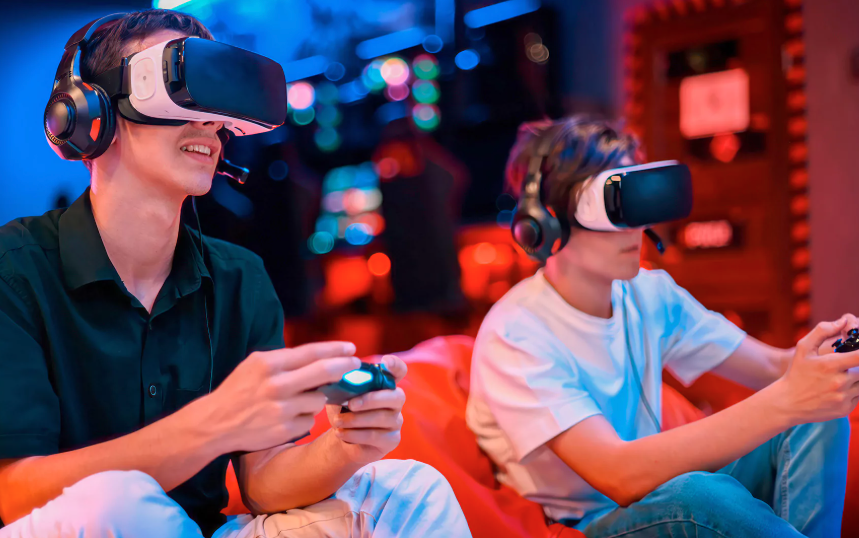
Virtual reality has transformed the way people experience digital content. What once seemed like futuristic technology is now becoming part of everyday entertainment. From gaming and live events to immersive storytelling and interactive videos, VR continues to reshape how users connect with media.
As VR technology becomes more advanced and affordable, millions of users are exploring immersive experiences through modern headsets and streaming platforms. High-resolution visuals, realistic sound design, motion tracking, and interactive environments have elevated digital entertainment to an entirely new level.
Today, VR is no longer limited to gaming enthusiasts. Businesses, educators, creators, filmmakers, and entertainment platforms are all investing in immersive content that allows users to feel present inside digital worlds. Even niche entertainment categories are expanding rapidly as audiences search for more personalized and engaging experiences.
Many users exploring immersive digital experiences often look at platforms like VRpy to discover new trends in VR videos, interactive streaming, and next-generation immersive entertainment.
The Evolution of Virtual Reality Technology
Virtual reality technology has developed significantly over the past decade. Early VR systems were expensive, bulky, and limited in performance. Modern VR headsets now offer lightweight designs, wireless connectivity, improved graphics, and realistic movement tracking.
The rapid growth of processing power and display technology has allowed VR experiences to become smoother and more lifelike. Motion sensors and eye-tracking systems help users interact naturally with virtual environments, reducing delays and improving immersion.
Companies across the technology industry continue investing heavily in VR development because immersive media is expected to play a major role in the future of entertainment, communication, and digital interaction.
See also: When to Upgrade a Home Electrical System
Why Immersive Entertainment Is Becoming More Popular
One of the main reasons VR entertainment is growing so quickly is the desire for deeper engagement. Traditional videos and flat-screen experiences often feel passive. Virtual reality creates the feeling of participation rather than observation.
Instead of simply watching content, users can explore environments, interact with objects, and experience stories from a first-person perspective. This level of immersion creates stronger emotional connections and more memorable experiences.
Several factors are driving the popularity of VR entertainment:
Better Accessibility
VR headsets are becoming more affordable and easier to use. Standalone devices no longer require expensive gaming computers, making VR accessible to a larger audience.
Faster Internet Speeds
Improved internet connectivity allows users to stream high-quality VR content without significant buffering or delays.
Diverse Content Categories
VR entertainment now includes gaming, concerts, sports, travel experiences, educational simulations, cinematic storytelling, and immersive social interaction.
Growing Creator Communities
Content creators are experimenting with innovative ways to build immersive experiences that feel realistic and interactive.
The Role of VR in Modern Streaming
Streaming platforms have played a major role in expanding virtual reality entertainment. Traditional streaming services focused mainly on passive viewing, but VR streaming creates a sense of presence and interaction.
Users can now attend live concerts, virtual events, sports broadcasts, and interactive shows within immersive environments. This creates a stronger connection between audiences and digital experiences.
VR streaming technology also allows creators to develop personalized content tailored to different audience preferences. As hardware improves, immersive streaming quality continues to become more realistic.
Another advantage of VR streaming is flexibility. Users can enjoy content from home while still feeling connected to larger virtual spaces and communities.
How VR Is Influencing Digital Storytelling
Storytelling changes dramatically when viewers become active participants inside the narrative. VR allows creators to guide audiences through environments where they can look around freely and experience events from multiple perspectives.
This level of interaction creates new creative opportunities for filmmakers, game developers, and digital artists.
Stronger Emotional Engagement
Immersive storytelling allows users to feel physically present within scenes. Emotional moments become more impactful because users experience them directly rather than observing from a distance.
Interactive Narratives
Some VR experiences allow users to influence story outcomes through choices and actions.
Realistic Environments
Advanced graphics and spatial audio create environments that feel believable and immersive.
New Creative Possibilities
Creators are no longer limited by traditional screen formats. Entire virtual worlds can be designed for exploration and interaction.
The Rise of Social VR Platforms
Social interaction is another major reason virtual reality continues to grow. Social VR platforms allow users to communicate, collaborate, and attend events inside digital environments.
Virtual meetings, online communities, multiplayer games, and interactive events are becoming more common as people seek immersive online experiences.
Users can create avatars, customize environments, and interact naturally using motion tracking and voice communication. This creates a stronger sense of connection compared to standard video calls or text messaging.
Social VR is also influencing entertainment industries by creating virtual concerts, exhibitions, networking events, and digital communities that attract global audiences.
VR and Privacy Concerns
As virtual reality becomes more advanced, privacy and data security are increasingly important topics.
VR systems collect significant amounts of user data, including movement patterns, voice recordings, eye tracking, and behavioral information. Protecting this data is essential for maintaining user trust.
Data Collection in VR
Many VR platforms gather information to improve user experiences and optimize performance. However, users should understand what information is being collected and how it is stored.
Safe Online Interaction
Social VR environments can expose users to online risks similar to those found on traditional social platforms. Moderation systems and privacy controls are important for creating safe digital communities.
Device Security
Keeping VR devices updated with the latest software helps reduce security vulnerabilities and improve performance.
Responsible Platform Policies
Platforms that prioritize transparency and user protection are more likely to build long-term trust with audiences.
How Mixed Reality Is Expanding Entertainment
Mixed reality combines virtual environments with real-world surroundings. This technology allows digital elements to interact with physical spaces, creating even more immersive experiences.
Unlike standard VR, mixed reality blends physical and digital environments together. This creates opportunities for interactive entertainment, training simulations, live performances, and educational experiences.
Mixed reality is expected to influence multiple industries over the next several years because it offers greater flexibility and realism.
For example, users may watch virtual performances inside their living rooms, interact with holographic objects, or participate in immersive gaming experiences integrated into physical spaces.
The Future of VR Content Creation
Content creation tools are becoming more advanced, allowing independent creators to produce immersive experiences without massive budgets.
This democratization of VR production is helping expand the variety of available content.
Improved Cameras and Recording Technology
360-degree cameras and spatial recording equipment allow creators to capture realistic immersive footage.
AI-Assisted Development
Artificial intelligence is helping creators build realistic environments, animations, and interactive characters more efficiently.
Real-Time Rendering
Modern rendering technology allows virtual environments to respond dynamically to user interaction.
Cross-Platform Compatibility
Developers are working toward experiences that function across multiple devices and VR ecosystems.
VR in Mature Entertainment and Niche Media
Virtual reality is also influencing mature entertainment and niche content categories. Some platforms are developing immersive experiences designed for adult audiences seeking more personalized and interactive digital media.
While not every platform focuses directly on adult entertainment, the demand for immersive experiences continues expanding into multiple entertainment sectors.
This trend reflects a broader shift toward personalized media consumption where users prefer interactive experiences over passive viewing.
At the same time, creators and platforms must balance innovation with responsible content moderation, user privacy, and ethical digital practices.
Why High-Quality VR Experiences Matter
Not all VR experiences deliver the same level of immersion. Poorly optimized applications, low-resolution graphics, and uncomfortable interfaces can reduce user enjoyment.
High-quality VR experiences typically include:
Smooth motion tracking
Realistic spatial audio
Comfortable headset optimization
High-resolution visuals
Responsive interaction systems
Stable streaming performance
When these elements work together effectively, users experience stronger immersion and greater satisfaction.
Choosing the Right VR Headset
Selecting the right VR headset depends on personal preferences, budget, and intended use.
Standalone Headsets
Standalone devices are convenient because they do not require external hardware.
PC-Powered Systems
High-end VR systems connected to gaming computers often provide better graphics and more advanced experiences.
Comfort and Ergonomics
Comfort matters during extended VR sessions. Lightweight designs and adjustable straps improve usability.
Display Quality
Higher resolution displays reduce visual strain and improve immersion.
Tracking Performance
Accurate motion tracking creates more realistic interaction within virtual environments.
Common Challenges Facing VR Technology
Despite rapid growth, virtual reality still faces several challenges.
Motion Sickness
Some users experience discomfort during extended VR sessions.
Hardware Costs
Although prices are decreasing, high-end systems can still be expensive.
Limited Content Availability
Some users feel there is still not enough premium VR content compared to traditional entertainment.
Storage and Performance Requirements
Large VR applications often require significant storage space and processing power.
Developers continue working on solutions that improve accessibility, comfort, and content variety.
How Businesses Are Using VR Beyond Entertainment
VR is no longer limited to entertainment alone. Businesses are using immersive technology for training, education, product demonstrations, healthcare simulations, architecture, and remote collaboration.
Retail companies are developing virtual shopping experiences, while educational institutions use VR for interactive learning environments.
Healthcare professionals also use VR simulations for medical training and therapy applications.
These innovations demonstrate how immersive technology is becoming integrated into many aspects of modern life.
The Growing Demand for Personalized Experiences
Modern audiences increasingly prefer personalized digital experiences tailored to their interests.
VR technology supports this trend by allowing users to customize environments, choose perspectives, and interact with content in unique ways.
This level of personalization helps platforms build stronger engagement and user loyalty.
As artificial intelligence and VR technology continue evolving together, future experiences may become even more adaptive and realistic.
Final Thoughts
Virtual reality is reshaping the future of digital entertainment by creating immersive, interactive, and highly engaging experiences. From gaming and storytelling to streaming and social interaction, VR technology continues expanding into new industries and entertainment categories.
As hardware becomes more advanced and accessible, immersive experiences will likely become a standard part of modern digital life. Users are increasingly drawn toward content that feels realistic, personalized, and interactive.
For people interested in discovering immersive VR videos, interactive creators, and evolving digital entertainment trends, vrsy.com offers insight into one of the fastest-growing areas of virtual reality media.
The future of VR entertainment will likely combine advanced technology, personalized experiences, mixed reality integration, and responsible digital innovation to create entirely new ways for people to experience online content.