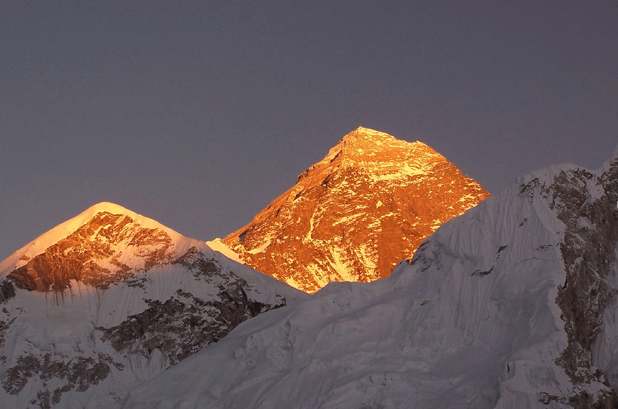
Mount Mount Everest is a goal for many adventurers, but it is associated with significant dangers that should be appreciated and taken seriously. Each year, mountaineers set off to conquer the tallest mountain in the world and although most of them make it to the summit, the mountain may be merciless. The most common risks include avalanches, extreme weather conditions, altitude sickness and human error. These risks and proper preparation of an expedition make it safe.
This guide explains the major dangers on Everest, the impacts they have on the climbers, and the measures taken by the mountaineers to remain safe. Need to know more about an Everest adventure or just interested in the adventure and the hardships, this article gives a clear and straight forward opinion.
Avalanches and Falling Ice
One of the most dangerous hazards of Everest is avalanches. They may be unpredictable with the heavy snowfall, wind or even when the climbers are traversing steep slopes. Ice and snow may fall and cover all it can reach. There are more avalanche-prone areas like the Khumbu Icefall, the Lhotse Face and some high slopes above camp three.
In some cases, avalanches can cover the climbers within seconds and the survival depends on the speed, experience, and even luck. The ropes, ladders, and fixed lines assist the guides in exploring the treacherous areas in a safer manner. Exposure is also minimized by selecting the appropriate climbing season and covering the high-risk regions fast.
Another risk is the icefall collapse. Glaciers will shed large ice blocks that cause unpredictable hazards. Climbers are supposed to move effectively, be guided by experienced guides and not to rest in hazardous areas.
Extreme Weather Conditions
Weather in Everest is severe and varies fast. Temperatures are likely to drop to minus 40 degrees Celsius at the peak. Strong winds, blizzards, and whiteouts may make climbing quite impossible and very hazardous. The most frequent consequences in case of unprepared climbers are frostbite, hypothermia, and disorientation.
Strong winds increase the risk of falling, particularly on exposed, non-protected ridges.. The whiteouts cause poor visibility and hence become difficult to navigate. Any delay, even minimal, can put climbers into perilous circumstances, in particular, on summit day. Over the past years, weather forecasting has gotten better and most expeditions schedule summit attempts during periods of favorable weather which are mostly in May and occasionally in September.
Storms on Everest can develop suddenly and are difficult to predict. Teams carry emergency shelters, extra clothing, and high-energy food to survive unexpected weather. Professionals will always keep an eye on the situation and decide when to move on or retreat.
Altitude Sickness and Oxygen Challenges
The biggest challenge on Everest is perhaps the high altitude. The peak rises to 8,848 meters and the oxygen level there is just a third of that in the sea level. A sudden and unacclimatized increase in altitude may lead to altitude sickness, which includes mild headaches to potentially fatal diseases, such as high-altitude pulmonary edema (HAPE) or high-altitude cerebral edema (HACE).
• Acute Mountain Sickness (AMS): This is characterized by headache, nausea, dizziness, and fatigue. Otherwise, it may become worse very fast.
• HAPE: There is accumulation of fluid in the lungs leading to shortness of breath even at rest. Failure to treat it immediately can be fatal.
• HACE: The brain is swollen, resulting in confusion, lack of coordination, and hallucinations. The only form of treatment is immediate descent.
Supplemental oxygen is usually used at altitudes above 7,500 meters, especially above 8,000 meters. It helps reduce fatigue, improves mental clarity, and enhances safety. The most important measures of prevention of altitude-related illnesses are careful acclimatization, slow ascent, hydration, and periodic rest days.
See also: Why Choose an Anker Solix Portable Power Station?
Human Factors and Decision-Making
Decisions made by climbers significantly contribute to expedition risks. Accidents may occur because of fatigue, excitement, peer pressure and poor judgment. The most common cause of deaths is the so-called summit fever, which is the tendency to demand the best regardless of the circumstances. Safe decisions can require retreat, which can be frustrating yet life-saving.
Another risk associated with human activity is Crowding on the mountain, especially on narrow ridges, can cause long queues during peak season, which may expose climbers to the elements and increase accident risk.
These risks are controlled by experienced guides and Sherpas. They check climbers, repair ropes, and help in decision-making. It is important to follow instructions and place safety in the first place, rather than ego.
Life-Saving Equipment and Strategies
Everest is highly risky, yet the equipment can help to mitigate them. Mountaineers have specialized equipment to survive under extreme conditions:
• Insulated clothing: Multiplex system of warmth and wind protection.
• Crampons and climbing boots: Used in icy slopes and technical passages.
• Harnesses, ropes and carabiners: To ensure safety on steep ground.
• Helmets: Fall-protection and ice-protection.
• Oxygen supply: High camp and summit push portable cylinders.
• Sleeping bags and emergency shelters: In case of unforeseen weather or delays.
Proper preparation also involves the knowledge of emergency procedures and a clear evacuation plan as well as being able to attract rescue. Most expeditions today are equipped with GPS-trackers and radios to keep in touch with base camp.
Summit Windows and Timing
It is important that safety depends on timing. When the weather is low, and the temperatures can be withstood, climbers usually want to get to the peak within a small timeframe. Summit push is normally planned at early morning so that there would be sufficient time to descend before the weather deteriorates.
Delays or lateness may expose the climbers to harsh weather, fatigue and altitude related issues. The seasoned guides make sure acclimatization, rotations in the camp, and the summit day plans to ensure the highest probability of successful ascent.
Training and Physical Preparation
Everest cannot compromise on physical fitness. Climbers should have the capability of walking long hours on slender air, dragging huge packs, and suffer under extreme cold. The training programs often involve:
• Cardiovascular exercises: Running, cycling or swimming to build stamina.
• Strength training: Concentrate on legs, core and upper body in the event of climbing efficiency.
• Hiking: Walking with heavy loads on the backpacks to feel more natural.
Preparation is also essential mentally. Climbers experience isolation, fatigue and stress. The ability to respond to risks effectively requires mental resilience, patience, and focus.
Medical Support on the Mountain
There is a shortage of medical support which is necessary. Base camps are equipped with doctors and medical supplies for minor illnesses and altitude problems. Above Camp III, mountaineers rely mostly on their own skills and personal emergency equipment, as medical support is limited. First aid, signs of altitude sickness and general first aid understanding is essential.
With a personal medical kit of painkillers, altitude medicine (such as acetazolamide) and emergency oxygen, life can be saved. Team coordination and communication are essential during emergencies.
Rescue and Evacuation
The conditions in Everest make rescue complicated because of altitude, weather, and terrain. Depending on the weather condition, Helicopter evacuation is only possible up to certain altitudes, typically below 7,000–8,000 meters, depending on weather and helicopter capabilities. Self-help or aiding fellow climbers and Sherpas is usually needed above Camp III.
Emergency evacuation planning, knowledge of the constraints of helicopter assistance and emergency contingency funds are key elements of expedition preparation.
Choosing a Responsible Expedition Operator
An efficient expedition operator minimizes numerous risks. Climbers are made safer with experienced guides, well trained Sherpas, equipment, and clear protocols. Do not deal with operators who have overscheduled clients, are short of medical resources, or are not focused on safety.
Investigate, reviews, and verify that your operator offers:
• Qualified guides and support personnel.
• Appropriate acclimatization timetables.
• Proper base camp facilities.
• Emergency response plans
Always place more emphasis on safety than speed or success on the summit.
Conclusion
Climbing Everest is exhilarating, but it is not without serious risks. Extreme weather, avalanches, altitude sickness, human and technical factors are issues that should be carefully planned and prepared. Good equipment, physical condition, mind and sound judgment are the difference between an adventure that is safe and something that is a catastrophe.
Guides should be experienced, schedules of acclimatization should be adhered to, weather windows respected, and safety should be given precedence over ambition, as some of the life-saving strategies. Although the mountain will always be associated with some form of risks, the risks can be mitigated with proper preparation and climbers can accomplish their dream safely.
Everest is not merely a mountain hike; it is a challenge of judgment, stamina, and respect for nature. Being aware of the risks, being highly prepared, and smart decisions will all mean that your experience will be an event to remember, both positively and negatively.
Reference https://lifehimalayatrekking.com/trip/mount-everest-expedition/