Modern homes depend on electrical systems that were often designed decades ago for far lighter loads. Today’s households run large refrigerators, high-powered HVAC systems, multiple computers, and smart home devices simultaneously. As energy demand grows, older wiring and panels may struggle to keep up safely. An outdated system does not just limit convenience but can also increase the risk of overheating, equipment damage, or electrical fires. Recognizing the signs of electrical system strain helps homeowners act before minor issues become serious hazards. In this article, the most common indicators that a home electrical system may need an upgrade will be clearly explained.
Sign 1: An Aging Home with Outdated Infrastructure
Presence of a Fuse Box Instead of Circuit Breakers
Homes built many decades ago often still rely on fuse boxes rather than modern circuit breaker panels. Fuses provide basic overcurrent protection but lack the flexibility and safety features of breakers. Replacing blown fuses can also lead to unsafe substitutions with incorrect sizes. This increases the risk of overheating wires behind walls. Modern breaker panels offer reset capability and more precise circuit protection. Upgrading from a fuse box is often one of the clearest signs that the electrical system needs modernization.
Electrical Service Rated at 100 Amps or Lower
Older homes frequently have electrical service rated at 60 or 100 amps, which was once sufficient for basic lighting and a few appliances. Today’s electrical demands often exceed that capacity, especially with central air conditioning and multiple electronics. When service capacity is too low, circuits can become overloaded more easily. This may lead to frequent breaker trips or voltage fluctuations. A higher-capacity panel provides room for additional circuits and safer distribution of power. Increasing service capacity supports both present and future electrical needs.
Sign 2: Plans for Adding High-Demand Electrical Loads
Installation of Electric Vehicle Charging Equipment
Electric vehicle chargers draw substantial power, particularly Level 2 home charging stations. Many existing panels lack the spare capacity to support this new load safely. Installing a charger without evaluating the panel can strain circuits and create overheating risks. An electrical upgrade ensures the charging equipment operates without affecting other household systems. It also allows proper circuit protection and compliance with electrical codes. Preparing the system in advance avoids future performance or safety issues.
Addition of Major Appliances or Electric Heating Systems
Large appliances such as induction ranges, heat pump water heaters, or electric dryers require dedicated high-amperage circuits. Homes switching from gas to electric heating may see a dramatic increase in electrical demand. Without adequate panel capacity, these additions can overload existing wiring. Breakers may trip more frequently as the system struggles to balance loads. An upgraded panel provides the necessary space and capacity for new circuits. This allows appliances to run efficiently and safely without compromising other parts of the home.
Sign 3: Frequent Operational Issues
Regular Circuit Breaker Tripping or Fuse Blowing
Circuit breakers are designed to trip when a circuit draws more current than it can handle. Occasional trips may be normal, but repeated occurrences suggest a deeper capacity issue. Overloaded circuits often indicate that too many devices share the same wiring. Ignoring these warnings can lead to overheating behind walls. An upgraded panel allows circuits to be redistributed and balanced properly. This reduces stress on wiring and improves overall system reliability.
Noticeable Light Flickering or Warm Electrical Outlets
Lights that flicker when large appliances turn on can signal voltage drops or loose connections. Warm outlets or switch plates may indicate that circuits are operating near their limits. These symptoms often appear before more serious electrical failures occur. Aging wiring or undersized circuits may struggle to handle modern loads. An electrical upgrade can address both panel capacity and circuit distribution. Early attention to these warning signs helps prevent future hazards.
See also: Technology-Driven Augmented Experiences
Sign 4: Integration of Renewable Energy or Backup Power
Preparing for Solar Panel or Battery Storage Installation
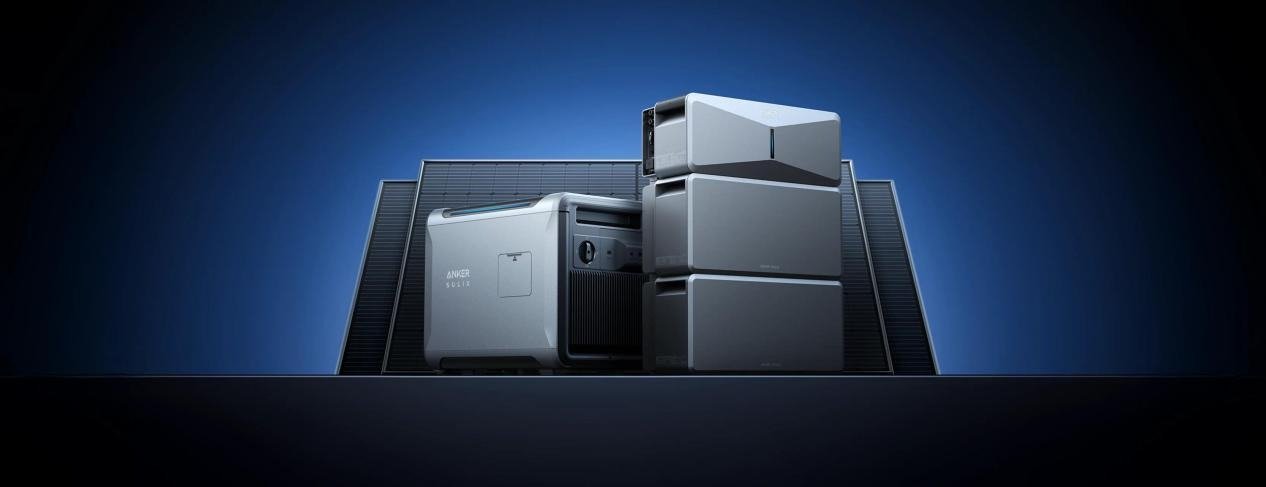
Adding solar panels or a home battery introduces new power flows that older panels were never designed to manage. Electrical systems must handle energy coming from both the grid and on-site generation safely. Upgrading the panel ensures proper connection points, circuit protection, and load management. Modern backup systems that coordinate solar input with stored energy, including solutions such as Anker SOLIX E10 backup battery for home, are designed to support both everyday use and outage scenarios without complicated switching. Proper electrical preparation allows renewable energy and storage to operate efficiently together. This step helps create a safer and more flexible home energy setup.
Need for a Dedicated Critical Load Subpanel
Backup power systems often rely on a critical load subpanel that powers only essential circuits during an outage. Installing this subpanel requires space and compatibility within the main electrical panel. Older panels may not have room for the additional breakers and wiring. Upgrading the panel makes it easier to separate lighting, refrigeration, medical devices, and communication equipment into protected circuits. This ensures essential systems stay powered while nonessential loads remain off. A properly configured panel improves both safety and backup performance.

Sign 5: Observable Physical Damage or Hazard Indicators
Discoloration on Switches, Outlets, or the Service Panel
Brown or black discoloration around outlets and switches can indicate overheating or arcing. These marks often appear when wiring connections become loose or overloaded. Heat buildup behind walls can damage insulation and create fire risks. A deteriorating panel may also show rust, corrosion, or burn marks. These visible signs suggest the system is under stress or aging beyond safe limits. Replacing or upgrading damaged components reduces long-term safety concerns.
Detection of a Burning Odor from Electrical Components
A persistent burning smell near outlets, switches, or the panel should never be ignored. This odor may signal melting insulation or overheating wires. Such conditions can quickly escalate into electrical fires if left unaddressed. Shutting off power to the affected area and seeking professional inspection is critical. Often, these symptoms indicate that the system can no longer safely handle the home’s electrical load. An upgraded electrical system helps eliminate these dangerous warning signs.
Conclusion
Upgrading a home electrical system is often about preparing for modern energy use rather than reacting to a single failure. Aging panels, new high-demand appliances, and renewable energy integration all place greater demands on household wiring. Addressing capacity limits early helps prevent equipment damage and reduces fire risk. A properly sized and updated panel also supports future additions such as solar generation and battery backup. Proactive assessment ensures the electrical system remains safe, reliable, and ready for the evolving needs of modern living.